

#1 Graphic Design and Installation in Dallas-Fort Worth
#1 Graphic Design and Installation in Dallas-Fort Worth

We recommend partial wraps more often than any other product in this category, and it costs us money to do so, because a full wrap on the same vehicle is a bigger invoice.
Here is why we do it anyway. If you are choosing between a full wrap you cannot comfortably afford and lettering that will not do your brand justice, the partial wrap is almost always the correct answer. It covers the areas the eye actually lands on, leaves the factory paint working as part of the design, and comes in at around half the cost.
Part of our fleet graphics service.
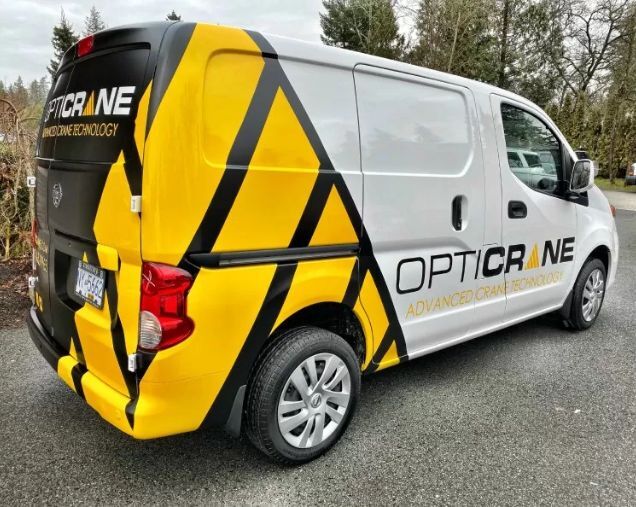
Coverage generally works out between 25 and 75 percent of the vehicle. Where exactly the coverage sits is a design decision, not a formula, and it depends on the body shape and where the vehicle’s natural break lines fall.
Vehicles with a strong, clean factory colour. White, black and silver all work extremely well, and the majority of work vans in Collin County are white, which is why partial wraps are such a natural fit for the trades here.
Where it works less well: a vehicle in a colour that fights your brand palette, or one with faded, mismatched or resprayed panels where the exposed paint would draw attention to itself. In those cases we would point you at a full wrap, or at a colour-change wrap.
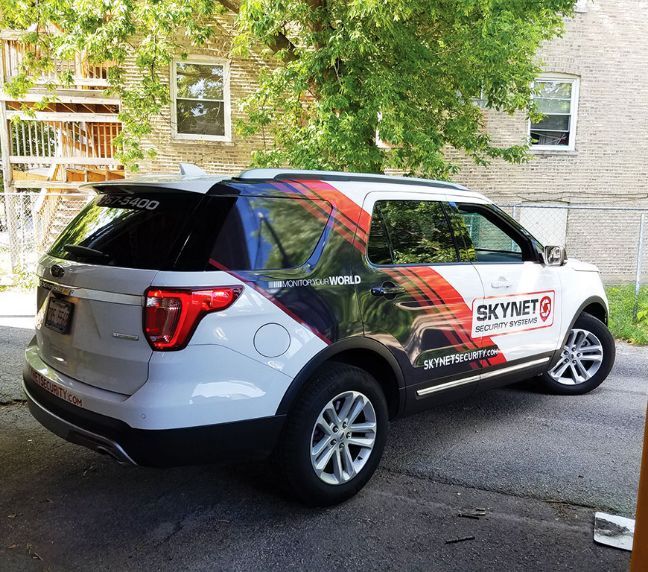
This is the single thing that separates a partial wrap that looks intentional from one that looks like a full wrap that ran out of budget.
A partial design has to treat the exposed factory paint as a colour in the palette. The graphic needs to terminate on a body line, a crease, a door edge or a deliberate diagonal, so it reads as a designed edge rather than a cut-off. Take a full wrap layout and crop it at 60 percent and it will look exactly like a cropped full wrap layout, which is to say cheap.
Peyton builds partial layouts on the vehicle template with the factory colour in place, so what you approve is what you get.
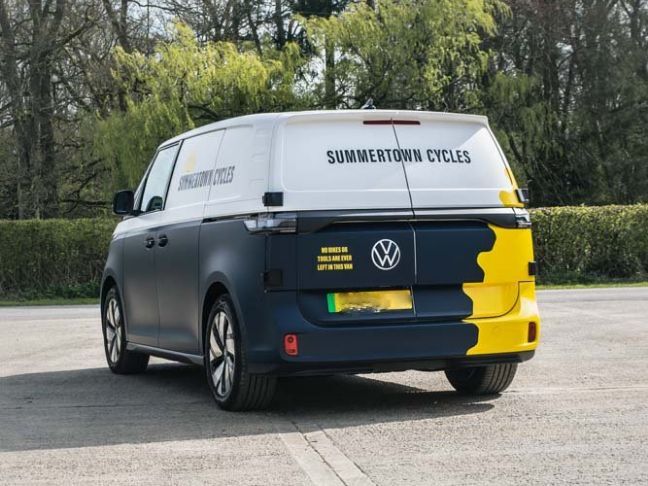
A partial wrap on a standard van or pickup typically runs $1,200 to $2,500, against $2,500 to $5,000 for a full wrap on the same vehicle.
On a single truck that is a meaningful saving. On a fleet of six it is somewhere in the region of ten thousand dollars staying in the business, which for most of our clients is a truck payment, a hire, or a year of insurance.
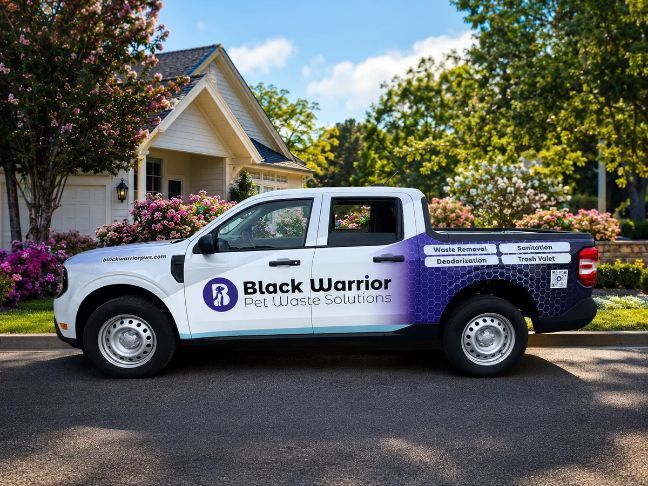
You can extend a partial wrap, with one caveat. Vinyl weathers, so a panel printed today will not match a panel printed three years ago with complete precision, particularly in strong colours.
If you think you might extend coverage later, say so at design stage. We will plan the layout so that any future additions land on separate panels with a natural break between them, rather than trying to continue a graphic across a colour boundary that will be visible.
A full wrap covers every painted panel on the vehicle, while a partial wrap covers selected areas, typically the lower sides, rear doors, and hood, leaving factory paint visible. Partial wraps cost roughly half as much and, when designed properly around the vehicle’s body lines, deliver most of the visual impact.
A partial wrap on a standard van or pickup typically costs $1,200 to $2,500 in the Dallas-Fort Worth area, against $2,500 to $5,000 for a full wrap. iCandy Grafix quotes by coverage percentage, vehicle size, and surface complexity.
For most service businesses, yes. Lettering communicates who you are, while a partial wrap gives the vehicle visual presence and makes the business look established. The step from $500 of lettering to $1,500 of partial wrap is the biggest perceived quality jump available on a work vehicle.
Yes, though colour matching between new film and film that has been weathering for a few years is not exact. Tell us at the design stage if you expect to extend coverage, and we will plan the layout so additions fall on separate panels.
Vehicles with a clean, strong factory colour, particularly white, black, and silver. Faded paint, mismatched respray panels, or a colour that clashes with your brand all argue for a full wrap instead.
Copyright © 2026 iCandy Grafix. All rights reserved. Powered by Fast Hippo Media

